Check out the Advantages of Using a Fillet Blade for Flawlessly Prepared Fish Meals
Using a fillet knife in fish preparation uses unique benefits that can considerably boost the food preparation process. Its distinct design offers the accuracy required to skillfully browse the shapes of the fish. This not just help in attaining tidy cuts but likewise preserves the fragile appearance of the meat. As one thinks about these benefits, it becomes apparent that mastering this device could raise one's cooking skills to brand-new heights. What strategies can further maximize this experience?
Comprehending the Style of a Fillet Blade
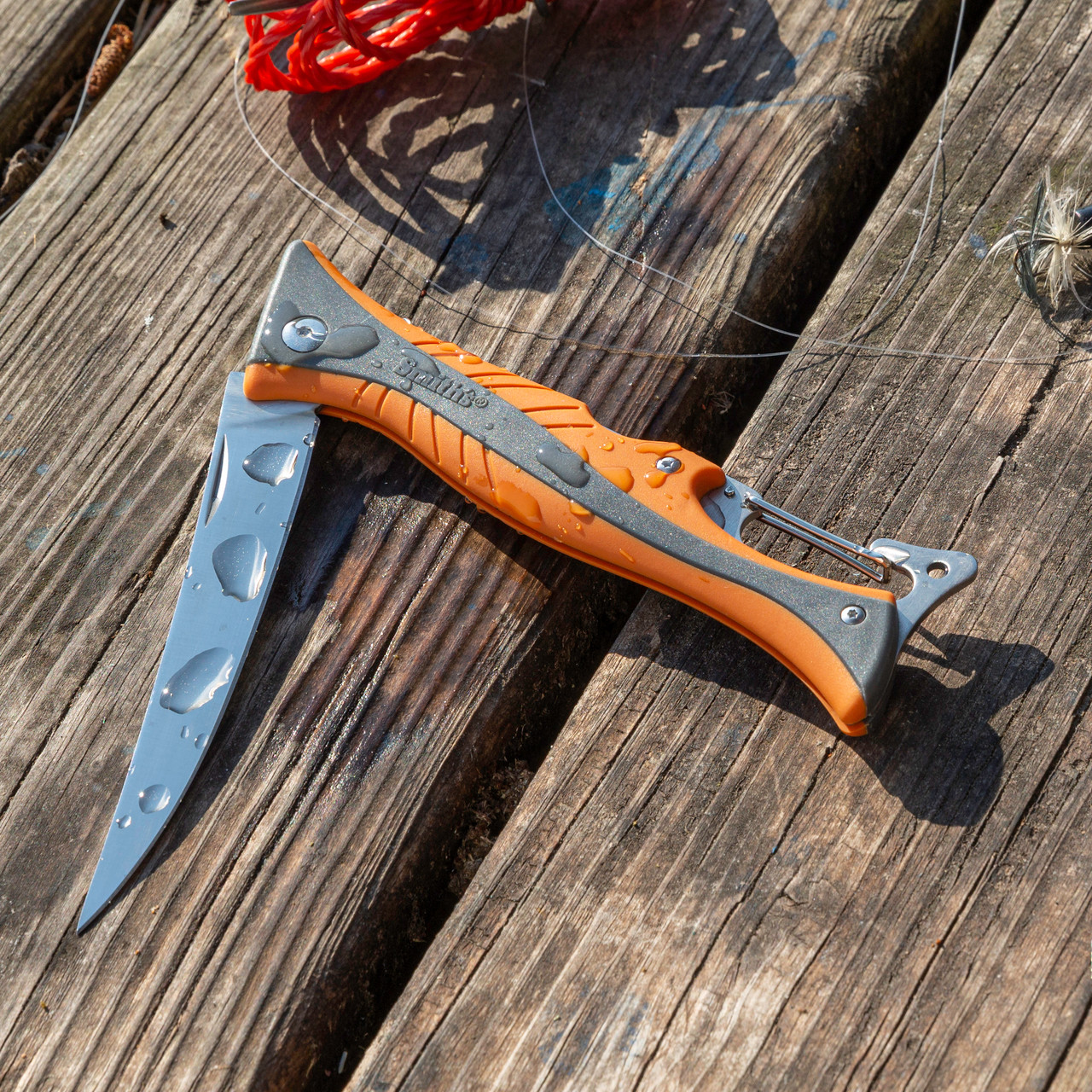
A fillet blade is specifically engineered for the delicate job of filleting fish, featuring a long, adaptable blade that enables specific cuts along the shapes of the fish. This style is crucial for attaining tidy, smooth fillets while minimizing waste. The blade normally varies from 6 to 9 inches in length, supplying the convenience needed for different fish dimensions. The thinness of the blade adds to its capacity to glide effortlessly in between the skin and flesh, making sure that the meat continues to be intact. Furthermore, the deal with of a fillet blade is typically ergonomically made for a protected hold, enhancing customer convenience throughout extended usage. Many fillet blades additionally flaunt a non-slip surface area to improve handling, even when wet. Jointly, these style components make the fillet blade an important tool for both professional cooks and home cooks, ensuring effective and efficient fish prep work.
Enhanced Precision and Control
Filleting fish requires a degree of accuracy and control that just a specialized device can provide. A fillet knife, with its thin, flexible blade, permits the customer to navigate the delicate shapes of the fish with convenience. This one-of-a-kind layout minimizes the risk of tearing the flesh, resulting in clean, uniform fillets. The tapered factor of the blade help in getting involved in tight areas, such as along the backbone and around the ribcage, guaranteeing that no meat is squandered. Additionally, the ergonomic deal with uses a safe grip, boosting control throughout the filleting procedure. With the capacity to make accurate cuts, the fillet knife enables chefs to attain professional-quality outcomes at home. This boosted accuracy not only improves the overall discussion of the recipe but likewise contributes to a greater admiration of the fish's structure and flavor, inevitably boosting the dining experience.
Efficient Filleting Strategies
When preparing fish, reliable filleting methods are vital for making the most of return and reducing waste. Proficiency of essential blade skills, correct fish positioning, and clean fillet methods can greatly improve the filleting process. Recognizing these parts enables a more structured and reliable technique to accomplishing premium fillets.
Important Blade Skills
Understanding crucial blade abilities is important for any individual looking to ideal their filleting method. A fillet knife, recognized for its adaptability and sharpness, requires mindful handling and accurate activities. The grasp needs to be strong yet kicked back, permitting control throughout the filleting procedure. Exercising the right angle while slicing assurances clean cuts, minimizing waste and protecting the fish's structure. Furthermore, recognizing the anatomy of the fish is very important; understanding where to use pressure and how to navigate bones boosts efficiency. Constant technique will certainly develop self-confidence and improve dexterity, resulting in quicker, more effective filleting. Eventually, these fundamental skills lay the groundwork for creating magnificently ready fish meals that highlight the benefits of using a dedicated fillet blade.
Proper Fish Positioning
Appropriate fish placing plays a vital role in effective filleting methods. To achieve precise cuts, the fish ought to be put on a clean, flat surface, making sure stability. The head ought to be oriented in the direction of the fillet knife individual, assisting in access to the fish's body. In addition, positioning the fish to ensure that its dorsal side faces up enables much easier identification of the back and rib bones. fish knife. This orientation help in cleaning, effective cuts along the backbone. Reducing or making use of a towel board with a non-slip surface can further boost security, avoiding any unintentional slips during the filleting process. Appropriate positioning not only boosts safety and security yet also maximizes yield, making sure that the most meat is gotten from each fish
Tidy Fillet Techniques
Implementing tidy fillet methods needs a constant hand and eager focus to information. To accomplish ideal results, one must start by utilizing a sharp fillet knife, which facilitates smooth cuts and decreases damages to the flesh. Correct angle positioning is important; the blade needs to be held near to the fish's backbone, permitting tidy splitting up from the skin and bones.
It is recommended to function gradually and carefully, assuring each stroke follows the natural contours of the fish. Keeping stress against the knife will also enhance control. Additionally, removing any kind of remaining pin bones with tweezers post-filleting assurances a remarkable discussion. These strategies not only enhance the top quality of the fillet yet additionally elevate the general eating experience.
Improving Taste and Texture
Utilizing a fillet knife can considerably improve the flavor profiles of fish by permitting accurate cuts that protect the delicate meat. This precision additionally aids in maintaining superior structure, guaranteeing that each piece maintains its integrity throughout food preparation. By utilizing sophisticated reducing strategies, chefs can elevate their culinary productions, making them a lot more delightful to the taste buds.
Enhanced Taste Profiles
Superior Texture Retention
Different knives may offer a function in the kitchen, a fillet blade stands out for its capacity to protect the delicate texture of fish. The thin, flexible blade of a fillet blade permits specific, gentle cuts that keep the honesty of the fish's flesh. This careful strategy lessens damages, making certain that the fish stays tender and moist throughout preparation. Unlike much heavier knives that can tear the meat or crush, a fillet knife glides through convenience, advertising a clean separation from bones and skin. Therefore, the final dish preserves its original appearance, enhancing the general eating experience. By utilizing a fillet blade, chefs can achieve a remarkable discussion and mouthfeel, making fish recipes more delightful and appealing.
Exact Trimming Methods
When preparing fish, mastering specific cutting methods is essential for enhancing both flavor and appearance. A fillet knife, with its sharp and flexible blade, enables clean cuts that maintain the delicate informative post framework of the fish. This precision not just prevents tearing but likewise ensures consistent density, which advertises even cooking. Strategies such as butterfly filleting or eliminating pin bones successfully enhance the general presentation and mouthfeel of the meal. Furthermore, proper slicing angles can launch natural oils and tastes, intensifying the preference experience. By using these strategies, cooks can raise their fish meals, ensuring that each bite hurts, flavorful, and visually appealing, ultimately leading to a more enjoyable eating experience.
Visual Discussion of Fish Recipes
Utilizing a fillet knife not only boosts the preparation of fish yet additionally plays a vital duty in the aesthetic presentation of fish recipes - fillet knife. The knife's sharp, versatile blade enables clean, specific cuts that keep the integrity of the fish's delicate texture. This precision is crucial when creating visually appealing discussions, as consistent fillets can here are the findings be organized wonderfully on a plate, showcasing the natural shades and patterns of the fish
Furthermore, the fillet blade makes it possible for chefs to craft elegant garnishes, such as thinly sliced citrus or natural herbs, to match the dish. By getting rid of skin and bones with finesse, the fillet blade guarantees that the final product is not only palatable but additionally visually enticing. The virtuosity included in the discussion elevates the dining experience, changing a basic fish meal into an impressive cooking work of art that thrills both the eyes and the taste.
Versatility Beyond Fish
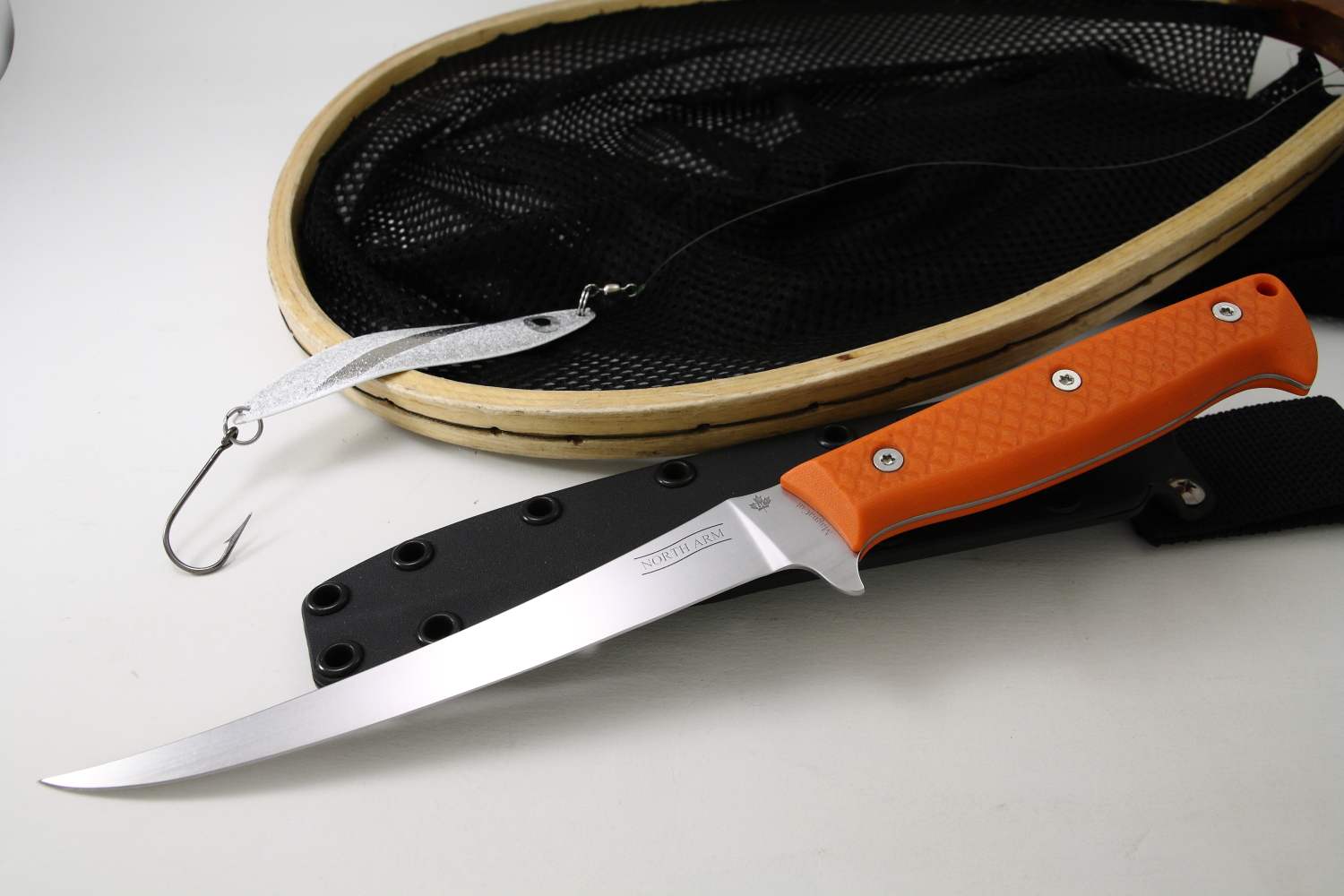
While largely made for filleting fish, a fillet knife shows remarkable flexibility that prolongs to various culinary tasks. Its adaptable blade permits precise cuts, making it excellent for preparing various other proteins such as poultry and pork. The blade excels at cutting via fragile meats, making sure clean, even reduces that enhance presentation and cooking time.
Along with meats, a fillet blade can be effectively made use of for veggies and fruits. Its sharp side permits intricate tasks like peeling off and segmenting citrus fruits or deftly cutting through ripe tomatoes without bruising. The slim blade is particularly beneficial for developing garnishes or fine cuts that boost meals.
The fillet knife can assist in preparing a variety of fish and shellfish, including shellfish and crustaceans. This versatility makes it a valuable tool in any kind of kitchen, allowing cooks to deal with a selection of culinary difficulties with confidence and precision.
Maintaining Your Fillet Knife for Longevity
Correct maintenance of a fillet blade is important for guaranteeing its long life and height performance. Routine cleansing is very important; after each use, the knife must be cleaned with warm, soapy water and dried instantly to avoid corrosion and deterioration. A developing steel can be utilized to maintain the sharp side, enabling accurate cuts during fish prep work.
In addition, routine developing with a whetstone or professional sharpening service will improve the knife's efficiency. It is a good idea to keep the fillet blade in a safety sheath or magnetic strip to prevent accidental damage and dulling.
Lastly, examining the take care of for signs of wear and tear can guarantee premium grasp and safety and security throughout usage. By sticking to these maintenance practices, home cooks can appreciate their fillet knife for many years, making it a trusted device for creating beautiful fish recipes.
Often Asked Questions
What Is the most effective Size Fillet Knife for Home Usage?
The very best dimension fillet blade for home use normally ranges from 6 to nine inches. This size offers adaptability for different fish sizes while permitting precise cuts, making it ideal for both newbies and seasoned chefs.
Can Fillet Knives Be Used for Other Types of Meat?
Fillet knives can be used for various other sorts of meat, particularly those needing precision and skill. Their versatile blades permit for clean cuts, making them appropriate for chicken and delicate cuts of pork or beef.
Exactly how Do I Hone My Fillet Blade Successfully?
To sharpen a fillet blade efficiently, one need to make use of a whetstone or sharpening rod, preserving a consistent angle of around 15-20 webpage degrees. Routine sharpening after each use likewise aids maintain the blade's sharpness and efficiency.
Are There Details Brands Renowned for Fillet Knives?
Several brand names are renowned for their fillet blades, including Dexter Russell, Rapala, and Wüsthof. Each uses a selection of options praised for flexibility, toughness, and intensity, satisfying both expert chefs and home cooks alike.
What Safety and security Precautions Should I Take While Using a Fillet Knife?
When making use of a fillet blade, one ought to guarantee a steady cutting surface, maintain fingers free from the blade, utilize a blade with a safe and secure handle, and always cut away from the body to avoid crashes. (fillet knife)
A fillet blade is specifically crafted for the fragile task of filleting fish, including a long, adaptable blade that allows for specific cuts along the shapes of the fish. Different knives might serve a function in the kitchen area, a fillet knife stands out for its capacity to maintain the fragile texture of fish. Unlike larger blades that can tear the meat or crush, a fillet knife glides via with simplicity, promoting a tidy splitting up from bones and skin. Using a fillet knife not just boosts the prep work of fish yet also plays an important function in the visual presentation of fish meals. While primarily made for filleting fish, a fillet knife demonstrates remarkable adaptability that extends to various cooking tasks.